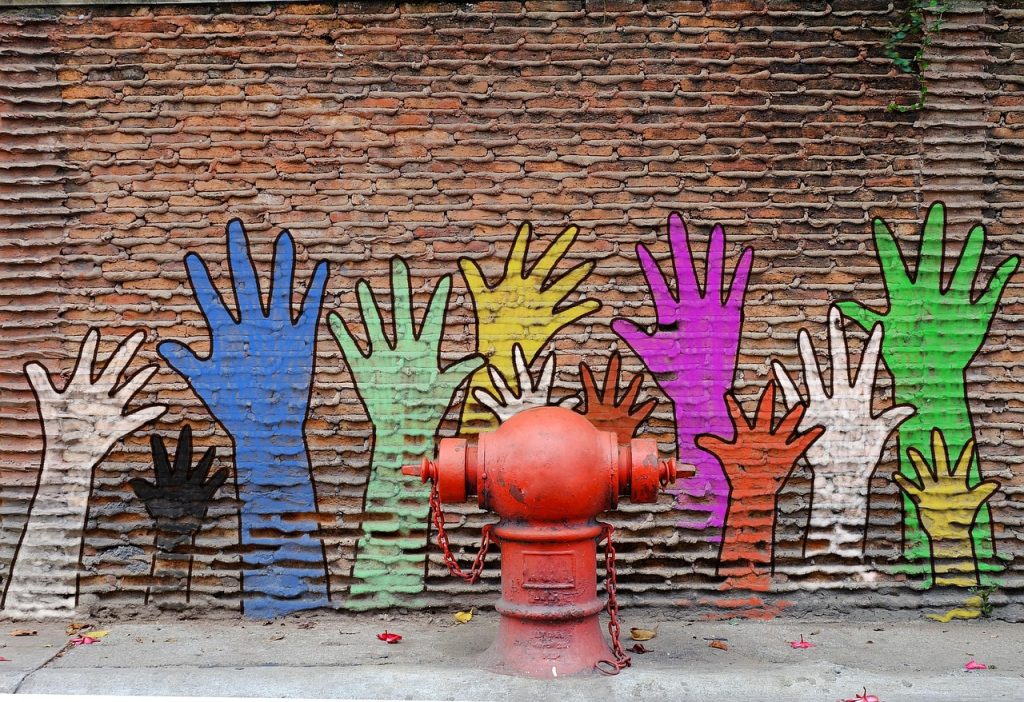
Strong communities are rarely built by one generation alone. Instead, they grow when experience, innovation, and shared values come together across age groups. This idea lies at the heart of the community-building philosophy often associated with Frank Mongelluzzi. In a world where rapid technological change and evolving social structures can create distance between generations, many community advocates emphasize the importance of bridging these gaps. One example of this approach can be seen through initiatives and community-focused ideas highlighted in the Frank Mongelluzzi community insights hub, which reflects the broader mission of encouraging collaboration, mentorship, and understanding between generations. When communities intentionally create opportunities for people of different ages to connect, they strengthen the social fabric that allows neighborhoods, cities, and organizations to flourish.
The Value of Intergenerational Relationships
Intergenerational relationships provide a powerful foundation for resilient communities. Each generation carries its own knowledge, perspective, and cultural understanding shaped by its experiences. When these perspectives are shared rather than separated, communities gain access to a richer collective intelligence.
Older generations often possess decades of practical knowledge, historical context, and life lessons. Their experiences can guide younger individuals through challenges in education, careers, and personal development. At the same time, younger generations bring fresh ideas, creativity, and a deep familiarity with modern technology and cultural trends.
The exchange between these groups creates an environment where wisdom meets innovation.
Communities that foster these interactions often see improvements in:
- Social cohesion
- Civic participation
- Cultural preservation
- Economic collaboration
- Mental and emotional well-being
This concept reflects a key theme in discussions around community development and leadership, including the philosophy associated with Frank Mongelluzzi: communities are strongest when people learn from one another regardless of age.
Why Intergenerational Connection Matters Today
In previous generations, cross-generational relationships occurred naturally. Families often lived close together, neighborhoods were stable for decades, and workplaces included employees who remained with the same organizations throughout their careers.
However, modern society has introduced several changes that can unintentionally create generational divides.
Mobility and relocation
Families move more frequently than in the past, often for education or employment opportunities. This mobility can weaken long-standing community bonds and reduce daily interactions between generations.
Digital transformation
Technology has revolutionized communication and productivity, but it has also created a digital gap between generations. Younger individuals often adapt quickly to emerging technologies, while older adults may feel excluded from rapidly evolving digital environments.
Age-segregated institutions
Schools, workplaces, and retirement communities frequently organize people by age groups, limiting natural opportunities for cross-generational engagement.
Because of these changes, community leaders increasingly recognize the need to intentionally create environments where generations can collaborate and connect.
Mentorship: A Bridge Between Generations
One of the most effective ways to strengthen intergenerational relationships is through mentorship.
Mentorship programs allow individuals with life and professional experience to guide younger participants who are navigating new stages of life. These relationships often become transformative for both parties.
Young people benefit from mentorship by gaining:
- Practical career advice
- Personal development guidance
- Networking opportunities
- Emotional encouragement during uncertain transitions
Mentors, on the other hand, gain a renewed sense of purpose and fulfillment. Sharing knowledge and helping others grow can be deeply rewarding, especially for individuals who have accumulated decades of expertise.
Community advocates often emphasize mentorship as a cornerstone of sustainable social development. The broader philosophy surrounding Frank Mongelluzzi similarly highlights the importance of creating pathways where knowledge flows naturally between generations.
The Rise of Reverse Mentorship
While mentorship traditionally involves older individuals guiding younger ones, many communities are now embracing reverse mentorship.
In reverse mentorship programs, younger participants share knowledge with older adults, particularly in areas where they have specialized expertise.
Common topics include:
- Social media and digital communication
- Online safety and privacy
- Smartphone technology
- Digital banking and financial tools
- Emerging cultural trends
These programs empower older adults to stay connected to the modern world while strengthening bonds with younger community members.
Reverse mentorship also reinforces an important principle: wisdom and expertise are not defined solely by age. Every generation contributes unique knowledge that can benefit others.
Combating Social Isolation Through Connection
Loneliness has become a significant challenge in many communities worldwide. Older adults often face social isolation due to retirement, reduced mobility, or the loss of close companions. At the same time, younger individuals—especially in urban environments—can feel disconnected despite being surrounded by digital networks.
Intergenerational programs offer meaningful solutions to this challenge.
When people of different ages interact regularly, they develop relationships that provide emotional support and companionship. These connections can reduce loneliness and foster a sense of belonging.
Community initiatives designed to encourage interaction include:
- Shared volunteer projects
- Community gardens
- Storytelling events
- Intergenerational art programs
- Cultural festivals and workshops
These experiences bring people together around shared goals and interests, allowing friendships to develop naturally across age groups.
Preserving Cultural Heritage and Local Identity
Every community has a unique history shaped by the people who have lived there over time. Without intentional efforts to preserve these stories, valuable cultural knowledge can disappear.
Older generations often serve as guardians of local history and tradition. Their memories and experiences provide valuable insights into how communities have evolved.
Intergenerational storytelling programs can help preserve:
- Cultural traditions
- Local historical events
- Family histories
- Community values
Younger participants benefit by developing a deeper sense of identity and belonging. Understanding the history of their communities can inspire them to become more active participants in shaping the future.
Many community-focused discussions surrounding Frank Mongelluzzi emphasize the importance of preserving these narratives while encouraging innovation and growth.
Education as a Platform for Intergenerational Collaboration
Educational institutions have begun exploring ways to integrate intergenerational learning into their programs.
Schools, universities, and community education centers increasingly recognize that learning does not occur only within age-defined classrooms. When students interact with older adults who have lived through diverse experiences, education becomes more dynamic and meaningful.
Examples of successful intergenerational educational initiatives include:
- Senior volunteers helping students with reading and literacy
- Retired professionals sharing career insights in classrooms
- Oral history projects where students document community stories
- Collaborative art and music programs involving multiple generations
These programs benefit both participants and the broader community. Students gain practical knowledge and perspective, while older adults remain intellectually engaged and socially active.
Economic and Professional Collaboration Across Generations
Intergenerational collaboration can also strengthen local economies.
Businesses and community organizations benefit when they combine the experience of seasoned professionals with the creativity and adaptability of younger entrepreneurs.
Examples of cross-generational collaboration include:
Startup mentorship
Retired business leaders can guide young entrepreneurs launching new ventures, helping them avoid common mistakes and navigate complex markets.
Community development projects
Urban planning initiatives that include voices from multiple generations often produce more inclusive and sustainable solutions.
Skill-sharing networks
Communities can create platforms where residents teach one another practical skills—from craftsmanship and gardening to digital marketing and coding.
These initiatives illustrate how economic development can be strengthened through cooperation between generations.
Technology as a Tool for Connection
While technology can sometimes create generational divides, it also offers powerful tools for bridging those gaps.
Online platforms enable communities to build networks that connect people regardless of age or physical location.
Examples include:
- Virtual mentorship programs
- Community discussion forums
- Online storytelling archives
- Collaborative learning platforms
Digital spaces can allow individuals who might not otherwise meet to share knowledge and build relationships.
However, successful implementation requires thoughtful design that prioritizes meaningful interaction rather than passive content consumption.
Designing Communities for Intergenerational Engagement
Physical spaces play a crucial role in fostering social interaction.
Urban planners and community leaders can encourage intergenerational connection by creating environments where people of all ages naturally interact.
Examples include:
- Community centers with programs for multiple age groups
- Parks designed for both recreation and social gathering
- Libraries hosting workshops and lectures
- Cultural centers that celebrate local traditions
These spaces serve as gathering points where relationships can form organically.
When communities invest in shared environments that welcome everyone, they create opportunities for collaboration and connection.
Practical Steps Communities Can Take
Building stronger intergenerational connections does not require large budgets or complex programs. Many effective initiatives begin with simple ideas that encourage conversation and collaboration.
Communities can start by:
- Creating mentorship networks
Pair experienced professionals with students or young entrepreneurs. - Hosting storytelling events
Invite older residents to share their experiences and memories with younger audiences. - Organizing technology workshops
Encourage young volunteers to help older adults develop digital skills. - Launching shared volunteer projects
Environmental initiatives, food drives, and neighborhood improvements can unite participants across age groups. - Supporting collaborative local businesses
Encourage partnerships that combine traditional expertise with modern innovation.
Small efforts often lead to lasting relationships that strengthen the entire community.
A Shared Responsibility for Future Generations
Building intergenerational communities requires commitment from individuals, organizations, and local leaders.
The responsibility does not rest with any single group. Instead, it requires a collective effort to create opportunities where people of different ages can connect and collaborate.
When communities prioritize these connections, they cultivate environments where:
- Young people feel supported and guided
- Older adults remain valued and engaged
- Knowledge flows freely between generations
- Innovation is balanced with experience
The philosophy often associated with Frank Mongelluzzi reflects this broader perspective: communities succeed when they embrace the strengths of every generation.
Looking Toward the Future
Demographic trends across the world indicate that populations are aging while technological change continues to accelerate. These shifts make intergenerational cooperation more important than ever.
Future communities will need to rely on collaboration across age groups to address complex challenges related to:
- Economic development
- Social inclusion
- Education and workforce readiness
- Technological adaptation
By fostering intergenerational connections today, communities can build the foundations necessary to navigate tomorrow’s challenges.
Conclusion
Building stronger communities through intergenerational connections is both a timeless principle and a modern necessity. When individuals of different ages share knowledge, experiences, and perspectives, they create networks of support that benefit everyone.
Mentorship, collaborative learning, storytelling, and community engagement all play vital roles in strengthening these relationships. When communities embrace these practices, they cultivate resilience, empathy, and innovation.
The ideas often associated with Frank Mongelluzzi highlight a simple yet powerful truth: progress is most meaningful when it is shared across generations. By encouraging dialogue, cooperation, and mutual respect, communities can create a future where every generation contributes to the collective success of the whole.
Strong communities grow when generations learn from one another and work together toward shared goals. Encouraging mentorship, collaboration, and open dialogue helps create lasting connections that strengthen the social fabric of any community. If you’d like to explore more ideas and perspectives on these community-building efforts, you can find more information about Frank Mongelluzzi’s work and community-focused initiatives on his main website.